Vietnam has become one of the most dynamic agricultural suppliers in Asia, offering a wide range of export-quality crops that serve global demand. Among its strongest categories, Vietnam beans and grains stand out as a reliable choice for international importers, processors, and distributors. With a favorable climate, fertile soil, and growing investment in modern farming and processing techniques, Vietnam is positioning itself as a global hub for sustainable agriculture.
Why Vietnam Beans and Grains Are in Demand
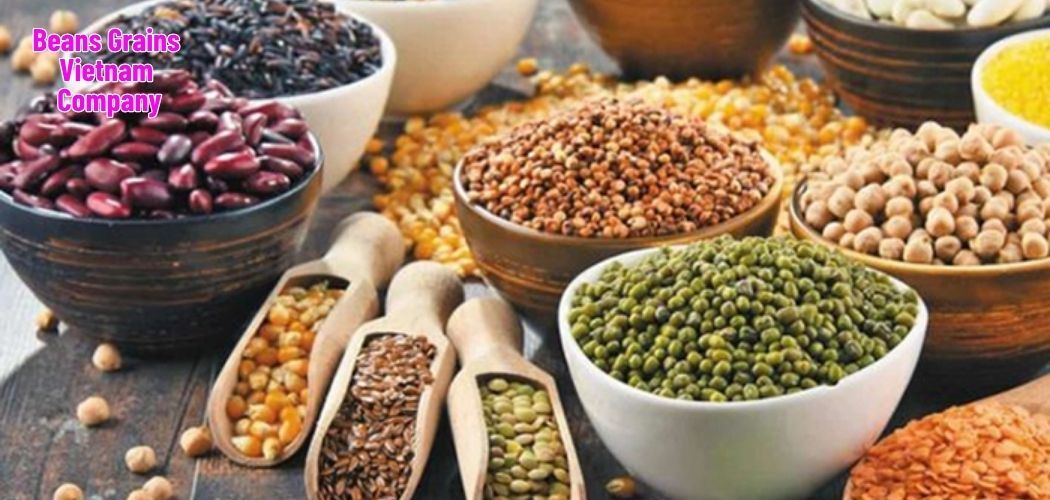
Agricultural products from Vietnam are valued for their consistent quality, competitive prices, and compliance with international standards. In particular, beans (such as mung beans, soybeans, black beans, and red beans) and grains (including rice, maize, and sesame) are exported worldwide. These products meet the diverse needs of food manufacturers, wholesalers, and retailers in regions like Asia, the Middle East, Europe, and North America.
Importers choose Vietnam for three major reasons:
- High-quality crops: Careful cultivation and post-harvest handling ensure stable supply and freshness.
- Diverse product portfolio: Vietnam produces a wide range of beans and grains that match global dietary trends.
- Cost efficiency: Strong production capacity combined with competitive export prices makes Vietnam an attractive sourcing destination.
Production Strengths of Vietnam
Vietnam’s agricultural sector benefits from a tropical climate with distinct wet and dry seasons. This allows multiple crop cycles each year, enhancing supply availability. Farmers employ both traditional and modern cultivation methods, which creates a balance of authenticity and scalability.
Moreover, many Vietnamese suppliers have invested in drying, cleaning, sorting, and packaging technology to meet the strict requirements of international buyers. Exporters ensure that Vietnam beans and grains are shipped under global safety and quality certifications such as ISO, HACCP, and Global GAP.
Certifications and Global Standards
Certifications are crucial for building trust with international buyers. Vietnam’s leading exporters comply with:
- HACCP and ISO certifications for food safety.
- Organic certifications for selected products.
- Global GAP for sustainable farming practices.
- Halal and Kosher certifications for markets with specific requirements.
These certifications guarantee that Vietnam’s products meet international standards, giving buyers confidence when sourcing from the country.
Customization and Export Packaging
Exporters of Vietnam beans and grains understand that every market has unique requirements. Customization options include:
- Different sizes of packaging (bulk sacks, retail packs, vacuum-sealed bags).
- Labeling in the buyer’s preferred language.
- Moisture-controlled storage and shipping to maintain freshness.
This flexibility makes Vietnam’s suppliers appealing to importers who need tailor-made solutions for supermarkets, restaurants, and food-processing industries.
Benefits for International Buyers
Sourcing beans and grains from Vietnam brings significant advantages:
- Reliability of supply: Thanks to high production volume.
- Competitive pricing: Cost-efficient compared to other major exporters.
- Traceability: Modern supply chains ensure transparent origin tracking.
- Partnership opportunities: Importers can establish long-term relationships with reputable suppliers.
FAQs about Vietnam Beans and Grains
Q: What are the most popular beans exported from Vietnam?
A: Mung beans, black beans, soybeans, and red beans.
Q: Which grains are widely shipped from Vietnam?
A: Rice, maize (corn), sesame seeds, and peanuts are among the top exports.
Q: How do suppliers ensure product quality?
A: By using certified farming practices, modern processing facilities, and strict quality control.
Q: Can buyers request private labeling?
A: Yes, many exporters offer customized packaging and branding solutions.
Q: Are Vietnam beans and grains organic?
A: While not all are certified organic, Vietnam does supply organic-certified products to select markets.
Conclusion and Call to Action
With strong agricultural traditions and increasing modernization, Vietnam is steadily expanding its role as a trusted food supplier. Importers looking for reliable sources of beans and grains will find Vietnam to be a competitive and sustainable partner.
If you are exploring opportunities in the global agricultural trade, consider sourcing Vietnam beans and grains for your business. For more details, visit the official site: https://www.gold-agri.com.
