Vietnam has long been recognized as an agricultural powerhouse in Asia, famous for its rice and coffee exports. However, a growing segment that is gaining attention among global importers is Vietnam beans and grains. This category has experienced steady demand due to its versatility, nutritional value, and alignment with global health trends.
The Role of Beans and Grains in Global Trade
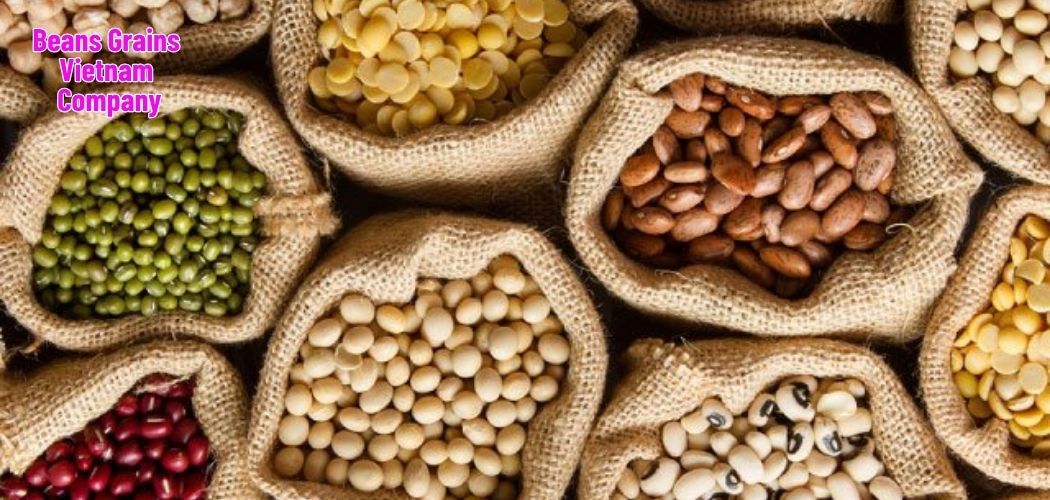
Beans and grains are staple ingredients in many cuisines worldwide. From soybeans used in tofu and soy milk production, to black beans and mung beans featured in Asian dishes, these crops are essential to international food supply chains. Similarly, grains like rice, maize, sesame, and peanuts serve as key ingredients for food manufacturers, bakeries, and snack producers.
For importers, sourcing from Vietnam means gaining access to products that combine high quality with cost efficiency, making Vietnam beans and grains a strategic choice.
Why Choose Vietnam as a Supplier?
Vietnam offers unique advantages that make it one of the most competitive suppliers of agricultural commodities:
- Geographic advantage: Vietnam’s fertile deltas (such as the Mekong Delta) provide ideal conditions for bean and grain cultivation.
- Government support: Policies promoting exports and modernizing agriculture.
- Experienced workforce: Generations of farmers with expertise in cultivation.
- Global connectivity: Ports and logistics infrastructure support smooth international shipments.
Quality and Certifications
Buyers today require traceability and food safety guarantees. Exporters of Vietnam beans and grains are increasingly certified under international standards:
- HACCP and ISO food safety certifications.
- Global GAP certifications for sustainable farming.
- Organic, Halal, and Kosher certifications for specific markets.
These certifications not only ensure safety but also enhance the reputation of Vietnamese exports among global buyers.
Customization and Market-Specific Packaging
Vietnamese suppliers are flexible in adapting to international demands. Options include:
- Bulk shipments for food processors and manufacturers.
- Retail-ready packaging with labeling in multiple languages.
- Moisture-proof packaging to maintain product integrity during long-distance shipping.
This adaptability strengthens Vietnam’s position as a partner for supermarkets, distributors, and food brands worldwide.
Benefits of Partnering with Vietnamese Exporters
When sourcing Vietnam beans and grains, buyers enjoy:
- Consistent quality with competitive pricing.
- Diverse product range that caters to multiple industries.
- Sustainable supply chains that emphasize traceability.
- Customized solutions for different markets.
FAQs about Vietnam Beans and Grains
Q: What is the export potential of Vietnamese beans?
A: Mung beans and soybeans are highly demanded in Asia, Europe, and the Middle East due to their versatility in food production.
Q: Do Vietnamese grains compete globally?
A: Yes, Vietnam’s rice is world-famous, while maize, sesame, and peanuts also enjoy growing export markets.
Q: Can Vietnam suppliers handle large-scale orders?
A: Yes, thanks to strong production capacity and modern logistics, exporters can fulfill bulk orders efficiently.
Q: Are there sustainability initiatives in place?
A: Many suppliers adopt Global GAP and sustainable farming practices to reduce environmental impact.
Conclusion and Next Steps
The global market for beans and grains continues to grow as consumers prioritize plant-based nutrition and healthy eating. Vietnam, with its strong agricultural base and commitment to international standards, is positioned as a reliable partner for importers.
For businesses seeking trustworthy suppliers, Vietnam beans and grains provide an excellent opportunity to secure high-quality, competitively priced agricultural products. For further information, visit: https://www.gold-agri.com.
